
Why Pool Water Testing Is Important: Protecting Your Pool and Your Health
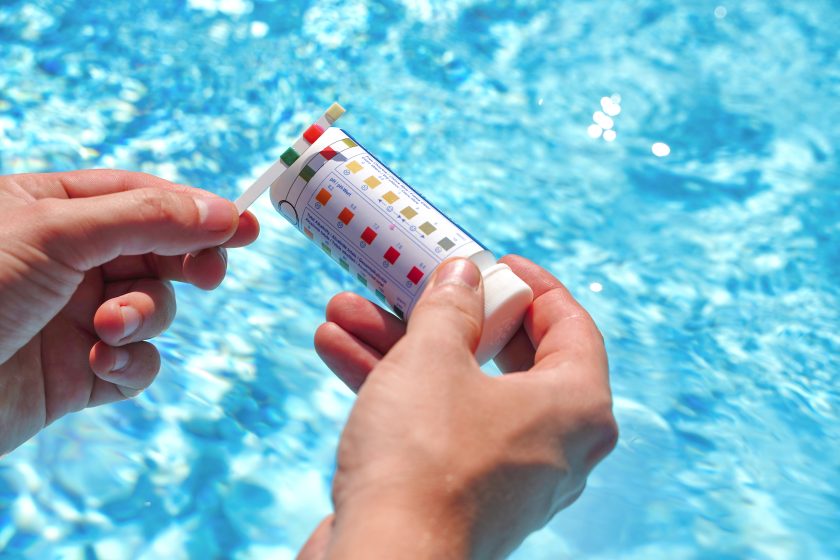
Keeping your pool water clean and balanced isn’t just about appearance—it’s essential for the safety, longevity, and overall enjoyment of your pool. Regular pool water testing helps you maintain the right chemical levels to protect your equipment, ensure swimmer comfort, and prevent costly issues down the line.
Here’s why pool water testing should be a non-negotiable part of your routine pool care:
1. Protects Swimmers’ Health
Unbalanced pool water can cause a range of health issues. High chlorine levels may irritate skin and eyes, while low chlorine allows bacteria and algae to grow. Improper pH levels can also lead to discomfort and increase the risk of illness from waterborne pathogens. Regular testing ensures your water is safe and sanitary for everyone who uses it.
2. Prevents Damage to Pool Equipment
Poor water balance—especially low pH or alkalinity—can corrode metal parts, including ladders, pool heaters, and pumps. High calcium levels can lead to scale buildup in pipes and on surfaces. By testing your water regularly, you can keep your pool’s components in good working condition and avoid premature replacements.
3. Extends the Life of Your Pool Finish
Unbalanced water doesn’t just affect equipment—it can eat away at your pool’s surface or cause staining and discoloration. Whether your pool is finished with plaster, tile, or vinyl, proper chemical levels will help preserve the look and feel of your pool’s interior for years to come.
4. Saves You Money Over Time
Neglecting water balance often leads to expensive repairs. Routine testing helps you spot issues before they escalate—like a pH imbalance that could destroy your heater or algae growth that could require a full drain and clean. A few minutes of testing can save you hundreds or even thousands of dollars.
5. Ensures Effective Sanitization
Chlorine and other sanitizers are only effective when the pH and other levels are within proper ranges. If your water chemistry is off, even high chlorine levels won’t do their job. Testing lets you verify that all your chemicals are working together effectively.
How Often Should You Test Your Pool Water?
For most residential pools, it’s recommended to test:
- Chlorine and pH levels: 2–3 times per week
- Alkalinity: Once a week
- Calcium hardness & stabilizer: Monthly
- Salt levels (for saltwater pools): As needed, typically monthly
Pools with heavy use or extreme weather may require more frequent testing.
DIY Test Kits vs. Professional Testing
While at-home test strips or liquid kits are great for quick checks, professional water testing provides a more accurate and comprehensive view of your pool’s chemistry. Many pool stores offer free or low-cost water analysis to help you fine-tune your maintenance routine.
Final Thoughts
Regular water testing is the backbone of healthy pool care. It helps you catch imbalances early, avoid damage, and enjoy your pool with confidence. Whether you’re testing it yourself or bringing a sample to a pool professional, making it part of your weekly routine is one of the smartest things you can do as a pool owner.
Need help balancing your water or choosing the right testing kit? Contact us today—we’re here to help!